
Cromwell and the Dead He Cannot Release
Wolf HallThis thread traces Cromwell’s uneasy relationship with grief, religious belief, and the hope that the dead might be remembered without being controlled.
increasing Bearing strength in each event
 decreasing
Bearing strength in each eventdecreasingPrayers for the Dead
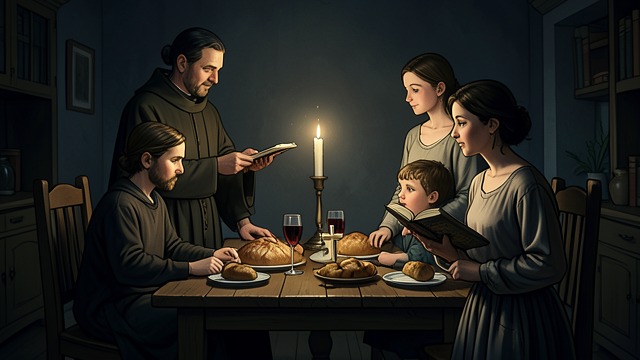
A Catholic Household
Ritual and affection
Cromwell’s family prays for dead relatives and pays for masses, including for his father Walter. He does so even as his own religious doubts deepen.
A private contradiction
He questions purgatory but cannot simply abandon the practices associated with the people he has loved. Belief and affection continue to overlap without resolving into certainty.
The Daughters in the Book
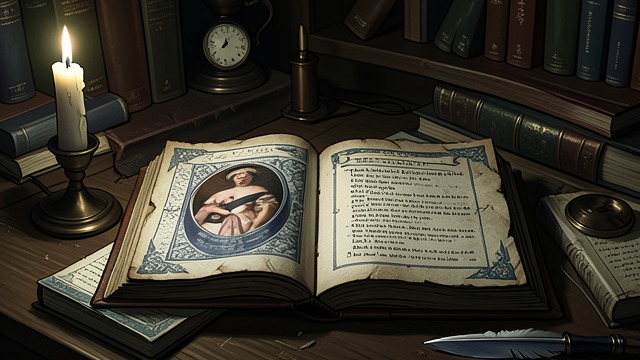
Names Kept After Death
Family recorded
Cromwell writes the deaths of Anne and Grace into Liz’s book of hours. Their names sit among births, prayers, and family relationships.
No easy consolation
He wonders whether the dead need translators or whether they know what they need to know. Scripture offers words, but grief does not become simple because a text exists.
The Head and the Record
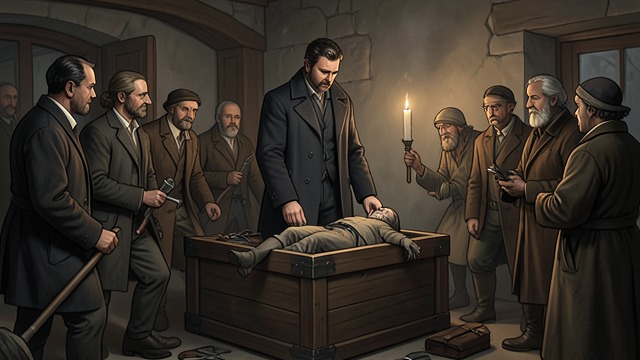
More’s Burial and Memory
A final practical duty
Cromwell arranges for Margaret Roper to recover More’s head for burial. He thinks about the people left to gather the remains of those whom the state has killed.
History after death
The dead may be rewritten by the living, as Tyndale’s fate and More’s reputation demonstrate. Cromwell’s administrative records and private memories become part of that struggle.
1527–1530
1530–1531
July 1535
